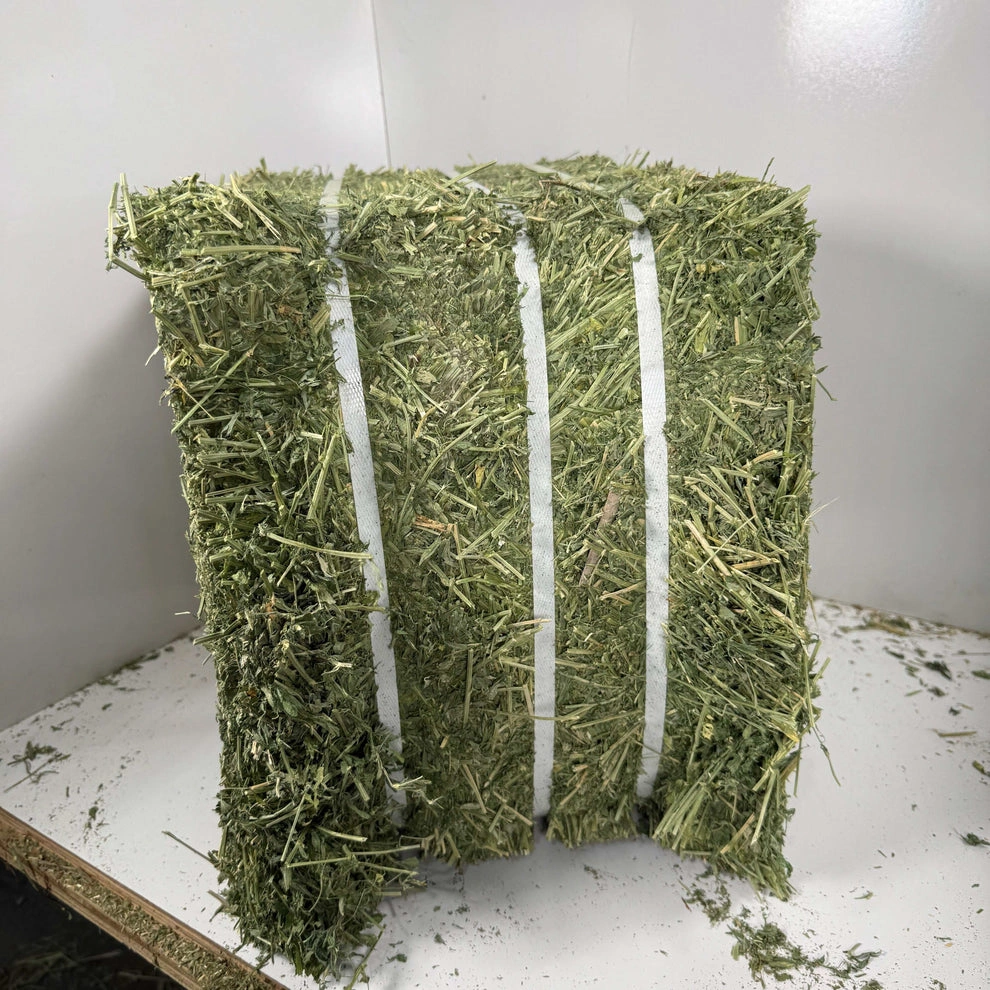
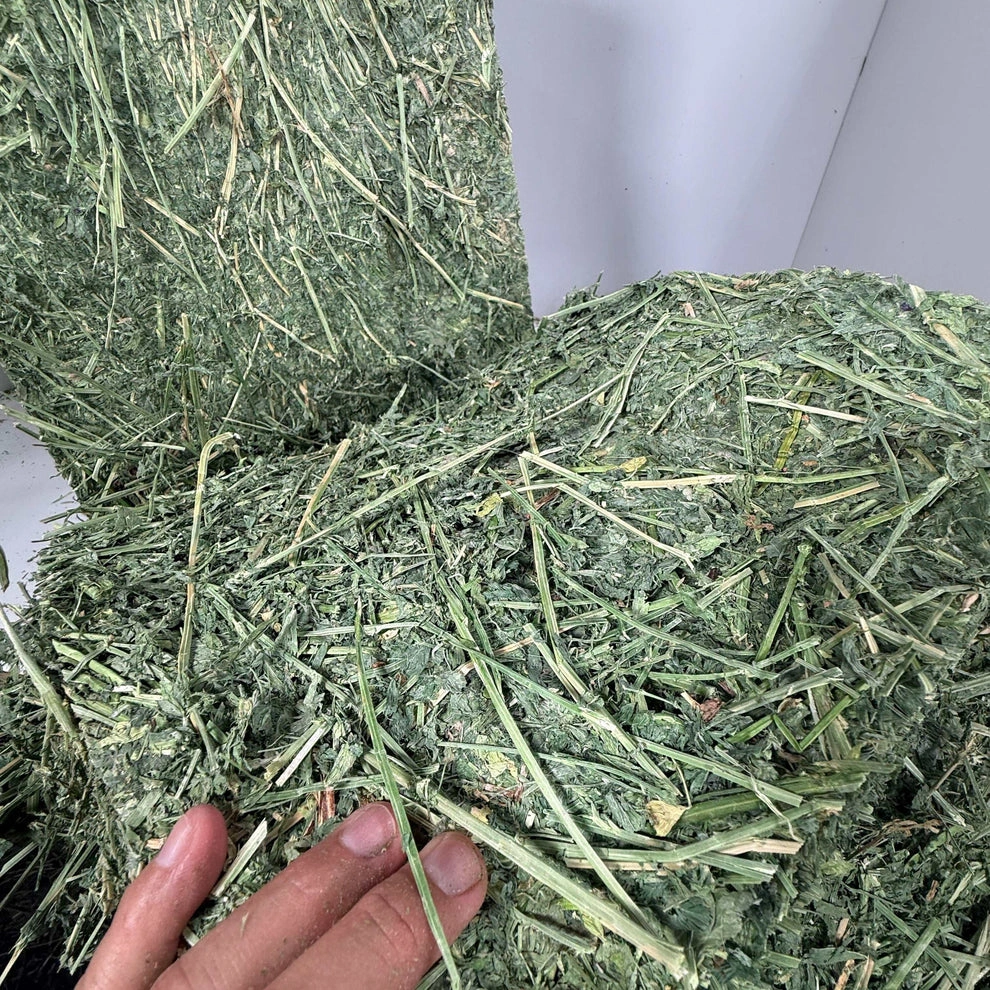
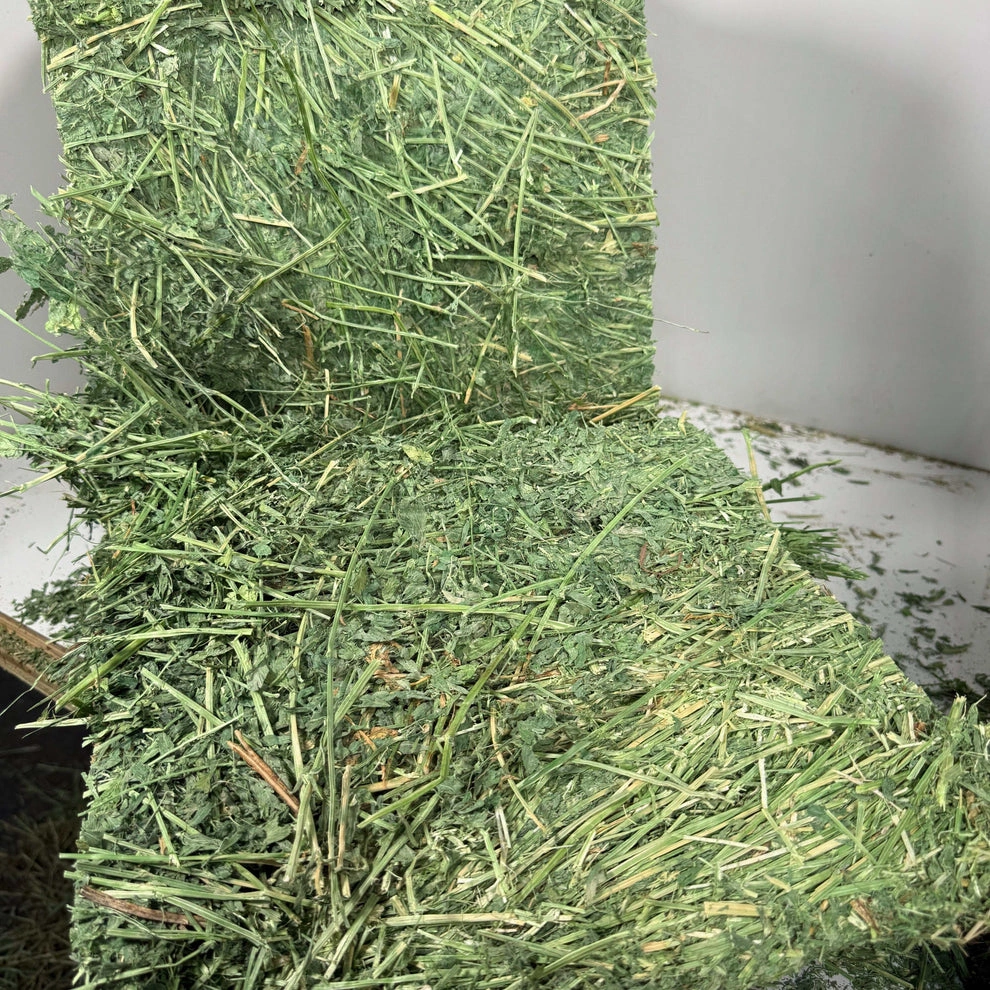
Premium Alfalfa Hay (1st & 2nd Cutting Ultra Premium)
Price range: $324.54 through $12,489.84
Premium Alfalfa Hay – High-Protein Livestock Feed
Premium Alfalfa Hay is one of the most nutrient-dense forages available, and there is nothing quite like the smell of fresh-cut alfalfa on a warm summer morning. That sweet, green aroma means one thing: high-quality nutrition for your animals. Our Premium Alfalfa Hay is harvested from carefully managed fields in the heart of the western growing regions, where the combination of rich soil, abundant sunshine, and cool nights produces some of the finest forage available anywhere.
We understand that your livestock are not just animals. They are your livelihood, your partners, and in many cases, your family. That is why we treat every single bale with the same care and attention we would want for our own herds. From the moment the seed goes into the ground to the moment that bale lands in your barn, quality is our only priority. Our wholesale hay operation has been serving farmers and ranchers for decades, and we take pride in delivering premium forage that consistently exceeds expectations.
Nutritional Breakdown
| Parameter | Value | Benefit |
|---|---|---|
| Crude Protein | 16-20% | Supports milk production, muscle development, and overall growth |
| RFV (Relative Feed Value) | 150-180 | Excellent digestibility and energy availability for high-producing animals |
| ADF (Acid Detergent Fiber) | 28-32% | Indicates digestibility; lower values mean more energy available |
| NDF (Neutral Detergent Fiber) | 35-40% | Reflects intake potential; lower values mean higher consumption |
| Moisture Content | Under 12% | Safe storage, prevents mold and heating in the barn |
| TDN (Total Digestible Nutrients) | 55-65% | High energy value for demanding production cycles and performance |
| Calcium | 1.2-1.5% | Essential for bone development, milk production, and nerve function |
| Phosphorus | 0.2-0.3% | Balanced with calcium for proper absorption and utilization |
Why Choose Premium Alfalfa Hay
Alfalfa is often called the Queen of Forages for good reason. Premium Alfalfa Hay is one of the most nutrient-dense hays available, offering a unique combination of benefits that make it the preferred choice for serious livestock operations. When you buy wholesale hay from us, you are investing in the health and productivity of your herd.
- High Protein Content: With 16-20% crude protein, our premium hay provides the building blocks for muscle growth, wool production, and milk synthesis. It is the go-to choice for animals with high nutritional demands.
- Excellent Palatability: The soft, leafy texture and natural sweetness make our quality forage highly appealing to even the pickiest eaters. You will notice animals clean up every last bite.
- Rich in Vitamins and Minerals: Our hay is naturally loaded with vitamins A, D, E, and K, plus essential minerals like calcium, magnesium, and potassium. This reduces the need for expensive supplements.
- Digestible Fiber: While it is higher in protein, alfalfa still provides the long-stem roughage that ruminants need for proper rumen function. The fiber is highly digestible, meaning more nutrients are absorbed.
- Energy Density: As one of the highest-energy forages available, our hay is ideal for growing animals, lactating females, and working horses that need sustained performance.
Understanding Hay Cuttings – 1st vs 2nd vs 3rd
Not all hay is created equal. The cutting makes a huge difference in nutritional value, texture, and suitability for different animals. Here is what you need to know about each cutting to make the best choice for your livestock feed needs.
1st Cutting Alfalfa Hay
- Harvest Timing: Late spring, around May to June
- Characteristics: More stems, fewer leaves, coarser texture
- Nutrition: Lower protein at 16-17%, higher fiber, higher yield per acre
- Best For: Ruminants needing long-stem roughage, beef cattle, dry cows, animals on maintenance rations, mixing with higher-quality hay to extend supply
- Pros: More affordable, excellent fiber source, good for gut health
- Cons: Less palatable, lower energy, can be dusty if over-dried
2nd Cutting Alfalfa Hay (Our Premium Standard)
- Harvest Timing: Early to mid-summer, July to August
- Characteristics: Leafier, softer, darker green, more uniform quality
- Nutrition: Higher protein at 18-20%, higher fat, more digestible
- Best For: Dairy cows in peak lactation, growing foals, calves, and lambs, show animals requiring top condition, broodmares and pregnant or nursing does, rabbits, guinea pigs, and chinchillas
- Pros: Superior nutrition, excellent palatability, maximum leaf retention
- Cons: Slightly higher cost, can be too rich for some animals if fed exclusively
3rd Cutting Alfalfa Hay
- Harvest Timing: Late summer to early fall
- Characteristics: Extremely soft, fine stems, high leaf-to-stem ratio
- Nutrition: Highest protein at 20% or more, lower fiber, very digestible
- Best For: Senior animals with dental issues, convalescing animals recovering from illness or surgery, young, growing animals transitioning to solid feed, finishing lambs and feedlot cattle
- Pros: Maximum palatability, easy to chew, highest energy density
- Cons: Lowest yield, highest price, can cause digestive upset if introduced too quickly
Best Use Cases by Animal
Horses
Alfalfa is excellent for horses with high energy demands, but it must be balanced carefully. We recommend:
- Performance horses: 50-75% alfalfa in the diet for maximum energy
- Broodmares in late gestation or lactation: Alfalfa provides the extra protein and calcium needed for fetal development and milk production
- Growing foals: The high-quality protein supports rapid growth and bone development
- Senior horses: Mix with grass hay for easy chewing and digestible calories
- Not recommended for: Horses with kidney issues, insulin resistance, or Cushing’s disease without veterinary supervision
Feeding Tip: Introduce alfalfa gradually over 7 to 10 days to prevent colic or digestive upset. Always provide access to fresh, clean water.
Dairy Cattle
Alfalfa is the backbone of high-producing dairy rations. Our dairy quality hay delivers the nutrition your herd needs:
- Lactating cows: Supports peak milk production with the protein and energy needed for high yields
- Dry cows: Provides essential nutrients for fetal development and colostrum quality
- Heifers: Supports growth and proper rumen development
Feeding Tip: A typical lactating dairy cow consumes 35 to 50 pounds of alfalfa hay per day. Balance with grain and minerals for optimal production.
Beef Cattle
Our bulk hay adds significant value to beef operations:
- Growing calves: Boosts average daily gain for faster finishing
- Finishing cattle: Increases marbling and carcass quality
- Breeding stock: Improves conception rates and calf birth weights
Feeding Tip: Limit alfalfa to 10-20% of the diet for growing cattle to avoid over-conditioning. Feed free-choice to brood cows in late gestation.
Goats and Sheep
Small ruminants thrive on high-quality forage. Our livestock feed is ideal for:
- Dairy goats: Essential for high milk production
- Meat goats: Supports growth and finishing
- Show lambs: Produces the condition needed for competition
- Breeding ewes and does: Improves conception rates and lamb or kid birth weights
Feeding Tip: Goats are browsers and prefer leafy, clean alfalfa. Offer free-choice in elevated feeders to reduce waste. Introduce slowly to prevent bloat.
Rabbits, Guinea Pigs, and Chinchillas
The leafy, soft texture of our 2nd cutting alfalfa is perfect for small herbivores:
- Growing rabbits: Supports rapid growth to market weight
- Lactating does: Provides calcium and protein for milk production
- Show animals: Produces glossy coats and ideal body condition
- Not recommended for: Adult rabbits over 1 year old as a primary diet due to high calcium; switch to timothy hay for maintenance
Feeding Tip: Offer alfalfa free-choice to growing animals. For adult rabbits, use as a treat or supplement only.
Pro-Tip: Getting the Most from Your Alfalfa Hay
1. Transition Slowly: Alfalfa is rich and nutrient-dense. Always introduce it gradually over 7 to 10 days, mixing with current hay, to prevent digestive upset, bloat, or colic.
2. Store Correctly: Alfalfa is prone to heating and mold if stored improperly. Keep bales off the ground on pallets in a dry, well-ventilated barn. Never stack wet bales; moisture should stay under 12%.
3. Test Your Hay: While our specifications are industry-standard, we strongly recommend testing each load for accurate nutrition. We can help arrange testing if needed.
4. Balance Calcium: Alfalfa is high in calcium. If feeding as the primary diet to adult horses, balance with grass hay or grain to maintain a proper calcium-to-phosphorus ratio between 1.5:1 and 2:1.
Alfalfa Hay vs Timothy Hay – Which is Better
This is one of the most common questions we hear from buyers. The answer depends entirely on your animals’ needs. Here is a comparison to help you decide.
| Feature | Alfalfa Hay | Timothy Hay |
|---|---|---|
| Protein | 16-20% (High) | 8-10% (Moderate) |
| Calcium | 1.2-1.5% (High) | 0.3-0.5% (Moderate) |
| Energy (TDN) | 55-65% (High) | 45-55% (Moderate) |
| Palatability | Excellent, sweet, leafy | Good, less sweet |
| Best For | Growing, lactating, high-performance animals | Maintenance, adult horses, animals with low energy needs |
| Price | Higher | Lower |
Our Verdict: If your animals need extra protein and energy, such as growing youngsters, lactating mothers, or performance animals, alfalfa is the clear winner. If you are maintaining adult horses or animals with low nutritional demands, timothy or orchard grass may be a better fit. Many buyers mix both for a balanced ration.
Our Grower’s Promise
We stake our reputation on every bale we sell. When you buy from us, you are getting:
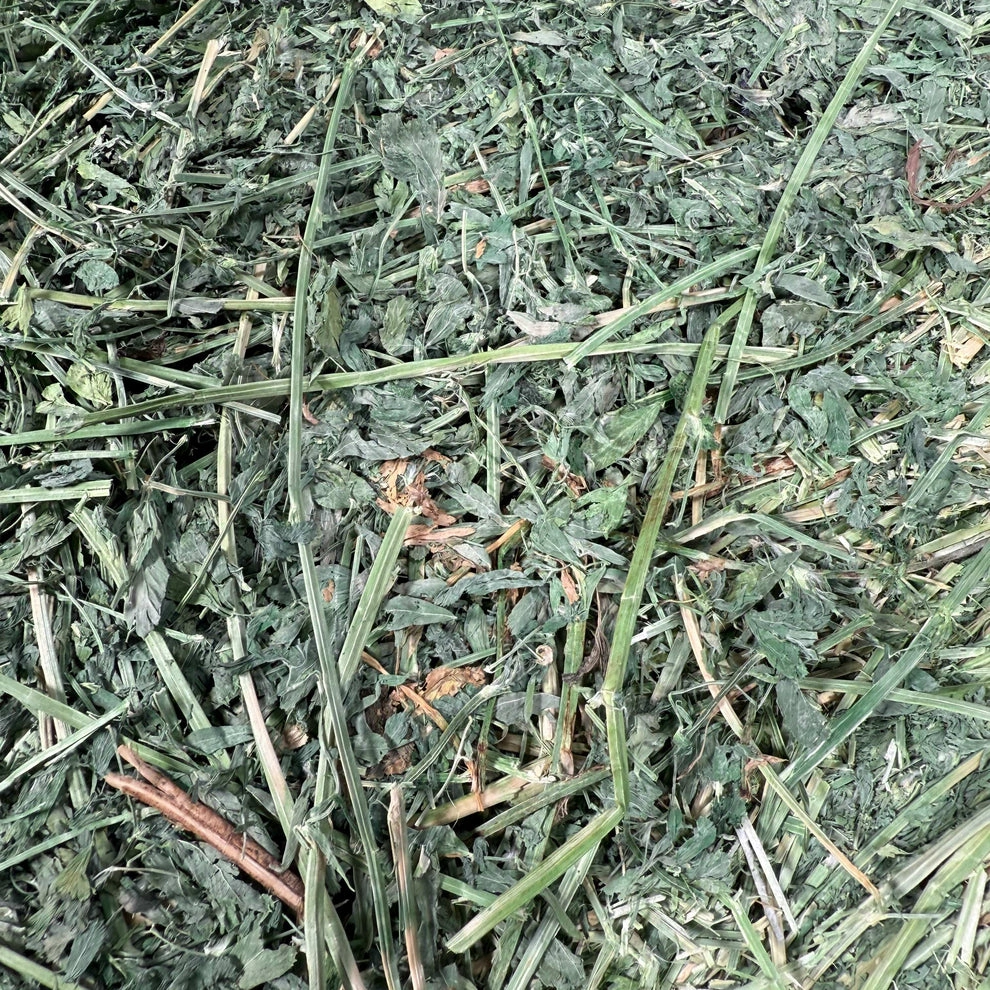
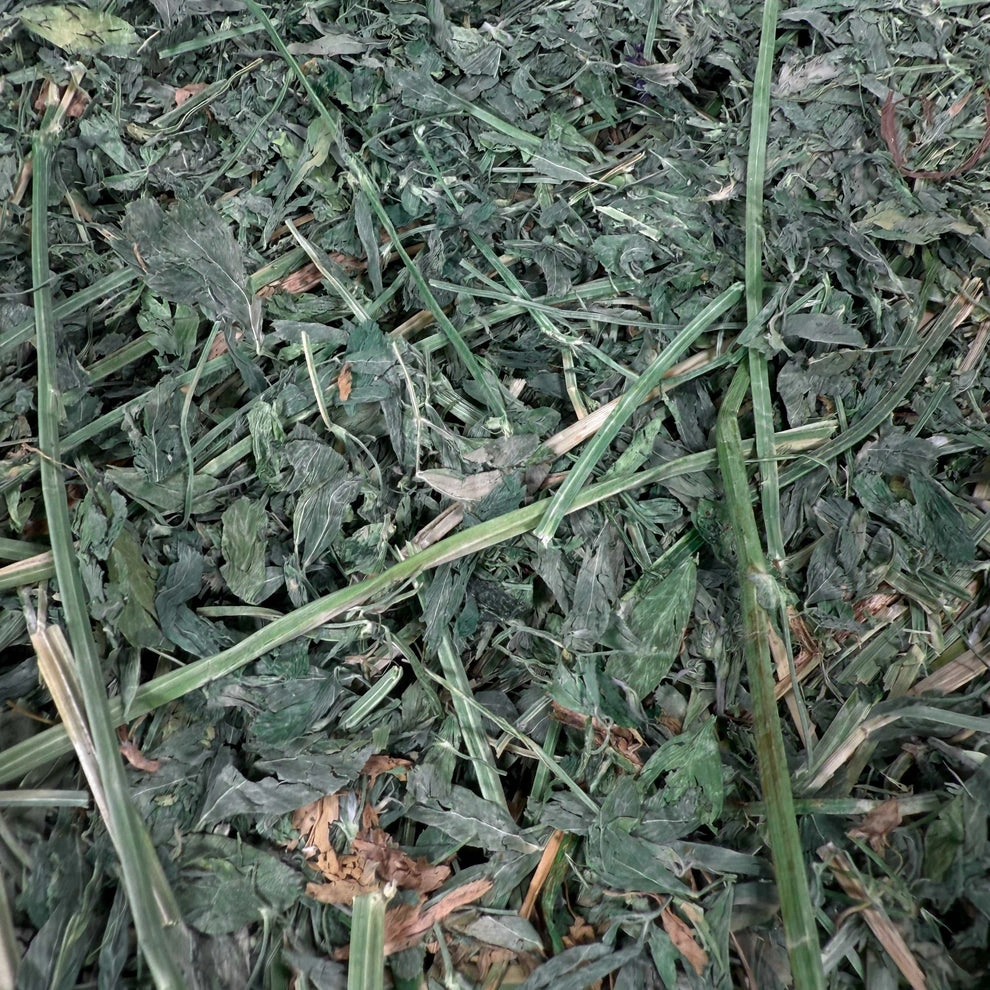
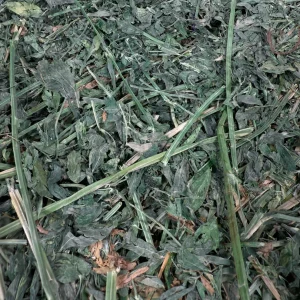
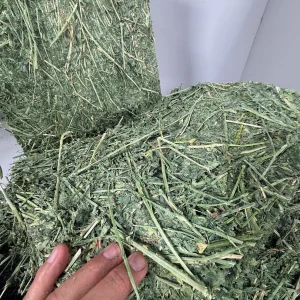
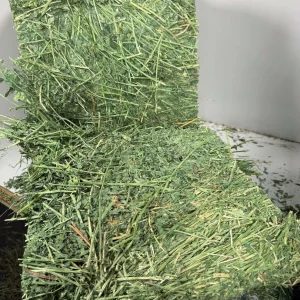
- Bright Green Color: A sign of proper curing and high nutrient retention
- Sweet, Fresh Aroma: The unmistakable smell of quality hay, never musty or moldy
- High Leaf Retention: More leaves mean more nutrition; we use gentle handling to keep leaves intact
- Weed-Free: Our fields are carefully managed and scouted for weeds; we do not bale what we would not feed
- Low Dust: Proper moisture management prevents excessive dust that can irritate respiratory systems
- Consistent Quality: Every load is visually inspected and tested for nutritional consistency
Our guarantee: If you are not completely satisfied with the quality of our alfalfa hay, we will make it right. Your animals deserve the best, and we deliver.
Storage and Handling Instructions
Proper storage is critical to preserving the quality of your alfalfa hay. Follow these guidelines to protect your investment:
- Keep It Dry: Moisture is the enemy. Store bales in a dry, well-ventilated barn or shed. If storing outside, use tarps and elevate bales on pallets.
- Off the Ground: Place bales on wooden pallets, concrete slabs, or gravel to prevent wicking moisture from the ground.
- Allow Airflow: Stack bales with gaps between rows to promote air circulation and prevent heat buildup.
- Check Moisture: Bales should feel dry to the touch. If you notice heating, mold, or a musty smell, separate those bales immediately.
- Monitor Shelf-Life: Properly stored alfalfa hay can last 6 to 12 months without significant nutrient loss. For best results, feed within 12 months of harvest.
Warning: Never feed moldy or heated hay to animals. It can cause serious health issues including colic, respiratory problems, and mycotoxin poisoning.
Frequently Asked Questions
Is alfalfa hay safe for horses?
Yes, alfalfa is safe and highly beneficial for many horses, particularly performance horses, broodmares, and growing foals. However, it should be balanced with grass hay for adult horses on maintenance diets. Always introduce alfalfa gradually to prevent colic, and consult your veterinarian if your horse has kidney issues, Cushing’s disease, or insulin resistance.
How long does alfalfa hay stay fresh?
When stored properly in a dry, well-ventilated area off the ground, alfalfa hay can retain quality for 6 to 12 months. Key signs of freshness include bright green color, sweet smell, and high leaf retention. After 12 months, nutrients, especially vitamin A, begin to degrade.
Can I feed alfalfa hay to my rabbits?
Absolutely. Alfalfa is excellent for growing rabbits up to 1 year old and lactating does due to its high protein and calcium content. However, adult rabbits over 1 year old should be transitioned to timothy or orchard grass as their primary hay to prevent urinary stones from excess calcium. Alfalfa can be offered as a treat to adults.
How much alfalfa hay should I feed my dairy cow?
A typical lactating dairy cow consumes 35 to 50 pounds of alfalfa hay per day, depending on her milk production, target 80 or more pounds per day, and body weight. Always provide free-choice access and supplement with grain, minerals, and fresh water for optimal production.
What is the difference between 1st, 2nd, and 3rd cutting alfalfa?
1st Cutting is harvested in late spring, is more stemmy, higher in fiber, and lower in protein, making it ideal for ruminants needing long-stem roughage. 2nd Cutting is harvested in mid-summer, is leafier, darker green, and higher in protein and energy; this is our standard for most buyers. 3rd Cutting is very soft, high in protein, and lower in fiber, making it perfect for seniors, convalescing animals, and picky eaters. Each cut serves different animal needs.
Quality hay is not just feed; it is the foundation of a healthy, productive operation. We take that responsibility seriously, and it shows in every bale. When you choose our premium alfalfa hay, you are choosing consistency, nutrition, and a partner who cares about your success as much as you do.
| Package Format | 1 Pallet (18 Bales / 720 lbs), Half Truckload (22 Pallets / 396 Bales), Full Truckload (44 Pallets / 792 Bales) |
|---|
Be the first to review “Premium Alfalfa Hay (1st & 2nd Cutting Ultra Premium)”
Related products
Reviews
There are no reviews yet.