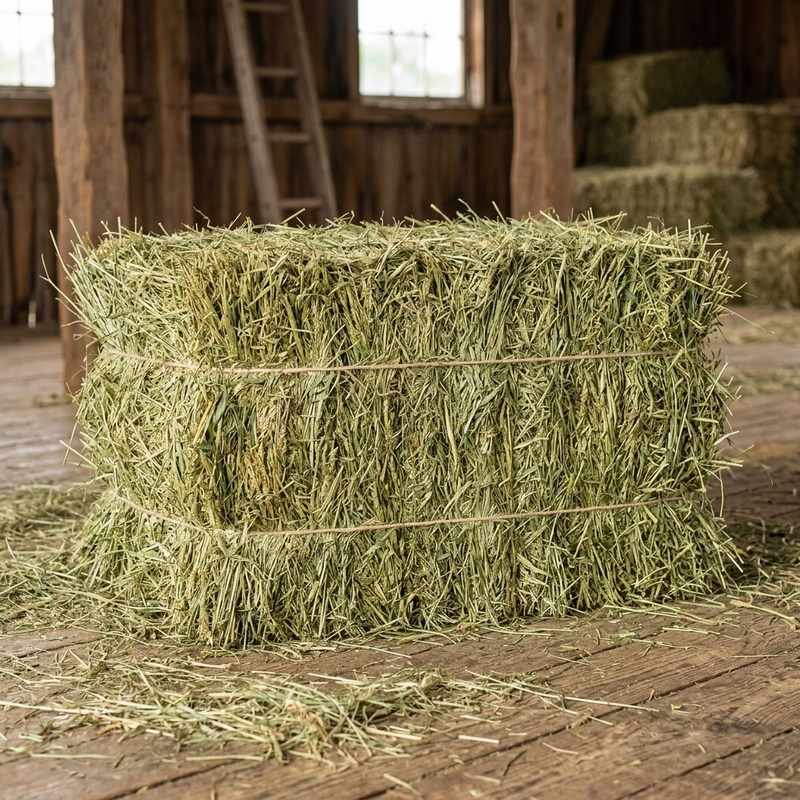
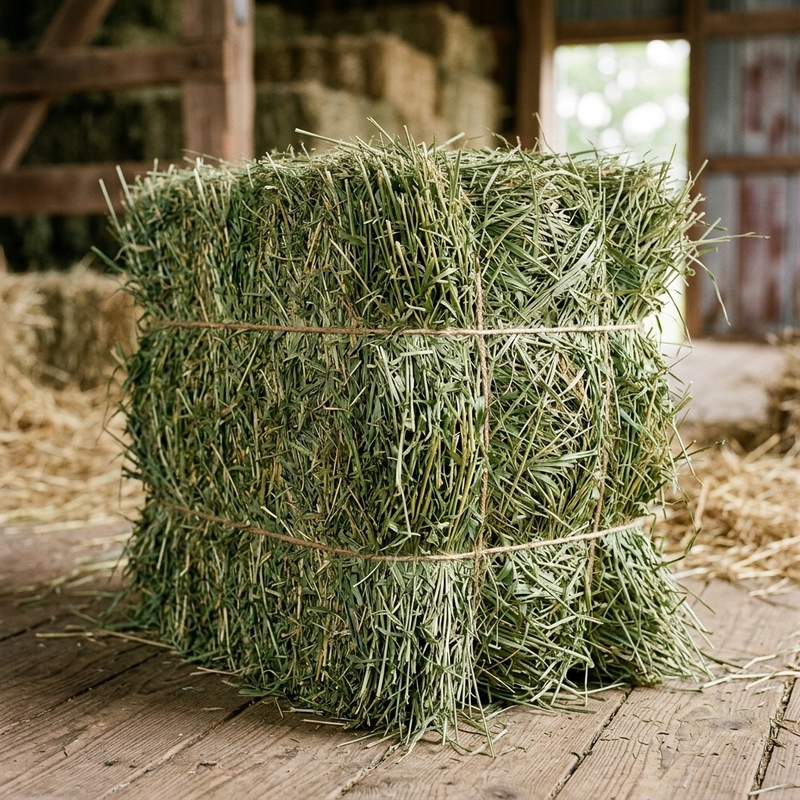
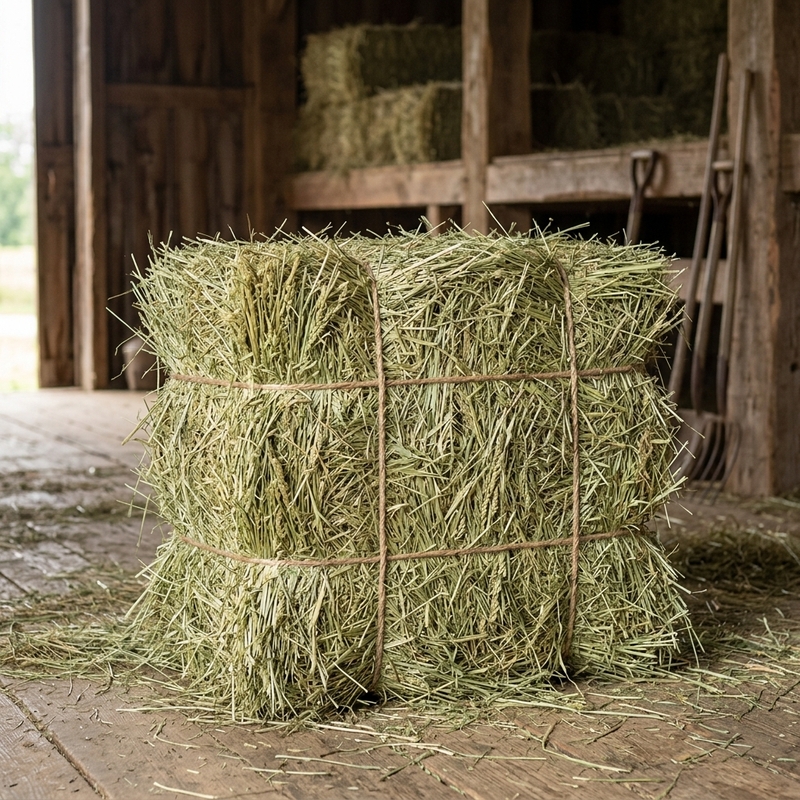
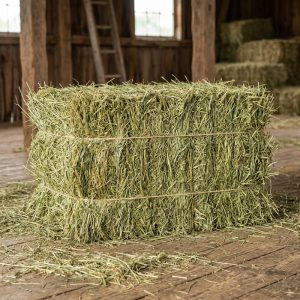
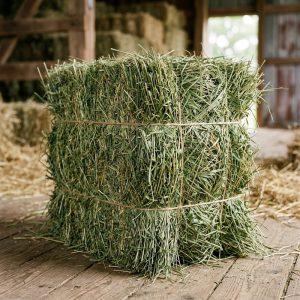
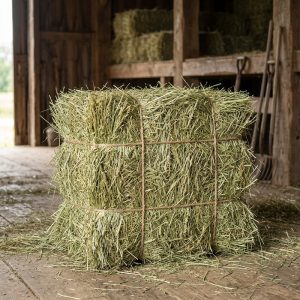
Premium Orchard Grass Hay(1st & 2nd Cutting Ultra Premium)
Price range: $350.10 through $13,614.48
Premium Orchard Grass Hay – Soft, Palatable Forage for Picky Eaters
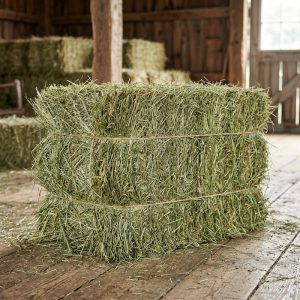
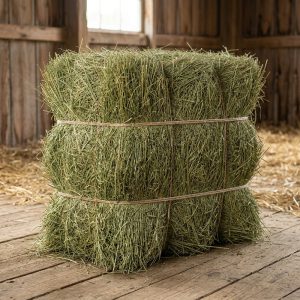
Premium Orchard Grass Hay is beloved by horse owners for its exceptional softness and sweet, inviting aroma. There is a reason this hay is often the first choice for finicky eaters and animals with dental sensitivities. Grown in the cool, temperate regions of the Pacific Northwest and the Northeast, orchard grass offers a unique combination of palatability and nutrition that is hard to beat.
We have been growing orchard grass for generations, and we have learned a thing or two about what makes it special. The secret is in the timing. Harvest too early and you lose yield. Harvest too late and you lose quality. We aim for that sweet spot when the grass is at its peak, balancing leaf production with stem development. The result is hay that smells as good as it looks and feeds as well as it smells.
Nutritional Breakdown
| Parameter | Value | Benefit |
|---|---|---|
| Crude Protein | 10-15% | Supports muscle maintenance and moderate production needs |
| RFV (Relative Feed Value) | 110-140 | Excellent digestibility and energy availability |
| ADF (Acid Detergent Fiber) | 30-36% | Good digestibility with balanced fiber structure |
| NDF (Neutral Detergent Fiber) | 56-64% | Promotes healthy digestion and keeps animals satisfied |
| Moisture Content | Under 12% | Safe storage, prevents mold and heating |
| TDN (Total Digestible Nutrients) | 52-60% | Reliable energy for maintenance and light production |
| Calcium | 0.3-0.5% | Supports bone health and muscle function |
| Phosphorus | 0.2-0.3% | Balanced with calcium for proper absorption |
Why Choose Premium Orchard Grass Hay
Orchard grass stands out from other forages for several good reasons. It is not just another grass hay. It is a premium choice for those who demand the best for their animals. When you buy wholesale hay from us, you get a forage that delivers on multiple fronts.
- Exceptional Softness: Orchard grass is known for its fine, soft texture. This makes it ideal for horses with dental issues, senior animals, and picky eaters who turn their noses up at coarser hays. The softness also means less waste, as animals are more likely to clean up every last bite.
- Sweet, Inviting Aroma: Open a bale of good orchard grass and you will know immediately why animals love it. That sweet, fresh smell is irresistible to horses and other livestock. It encourages consumption and makes feeding time something animals look forward to.
- Excellent Digestibility: Orchard grass has higher digestibility than many other grass hays. Animals extract more nutrition from each pound, which means you feed less while getting better results. This is particularly important for animals with higher nutritional needs.
- Moderate Protein Content: With protein levels ranging from 10-15%, orchard grass provides balanced nutrition for a wide range of animals. It offers more protein than Timothy hay while remaining lower than alfalfa, making it a versatile choice for many feeding situations.
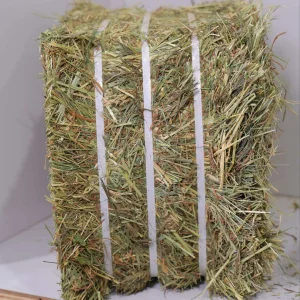
- Versatile Bale Options: Available in small square bales, large square bales, and round bales, orchard grass fits any feeding system. Whether you are managing a small hobby farm or a large commercial operation, we have the right form for you.
Understanding Hay Cuttings
Orchard grass is typically harvested in multiple cuttings throughout the growing season. Each cutting offers distinct characteristics that suit different feeding situations.
1st Cutting Orchard Grass Hay
Our standard offering is 1st cutting orchard grass hay, harvested in late spring. This cutting offers the best balance of yield and quality for most operations.
- Harvest Timing: Late spring, around May to June
- Characteristics: Moderate stem size, good leaf content, bright green color
- Nutrition: Moderate protein at 10-12%, good fiber content
- Best For: Maintenance rations, adult horses, dry cows, sheep, goats
- Pros: Excellent yield, reliable quality, cost-effective
- Cons: May be slightly coarser than later cuttings
2nd Cutting Orchard Grass Hay
Second cutting offers improved quality with a softer texture and higher nutritional value. This is often the preferred choice for horse owners.
- Harvest Timing: Mid-summer, July to August
- Characteristics: Finer stems, more leaves, darker green color
- Nutrition: Higher protein at 12-15%, more digestible
- Best For: Performance horses, growing animals, picky eaters, senior horses
- Pros: Superior palatability, higher nutrition, exceptional softness
- Cons: Lower yield, higher price point
3rd Cutting Orchard Grass Hay
Third cutting is the highest quality but limited in availability.
- Harvest Timing: Late summer to early fall
- Characteristics: Very soft, high leaf content, excellent color
- Nutrition: Highest protein at 14-16%, highly digestible
- Best For: Senior animals, convalescing animals, extremely picky eaters
- Pros: Maximum palatability, highest quality, easy to chew
- Cons: Very limited availability, highest cost
Our Standard: We primarily offer 1st and 2nd cutting orchard grass hay. Second cutting is our most popular choice for horse owners due to its exceptional softness and palatability. First cutting offers excellent value for those seeking quality at a more accessible price point.
Best Use Cases by Animal
Horses
Orchard grass is a favorite among horse owners for good reason. We recommend it for:
- Horses of all ages, from weanlings to seniors
- Performance horses needing quality forage
- Senior horses with dental issues
- Picky eaters who refuse other hays
- Horses recovering from illness or surgery
- Not recommended for: Horses requiring very high protein diets without supplementation. Orchard grass provides moderate protein levels that may not meet the needs of heavily lactating mares or growing foals without additional supplementation.
Feeding Tip: Orchard grass is excellent when fed as the primary forage for most horses. For animals with higher protein needs, consider mixing with alfalfa or supplementing with grain.
Dairy Cattle
Orchard grass plays an important role in dairy operations:
- Dry cows: Provides ideal forage for the dry period
- Heifers: Supports proper growth without excessive energy
- Lactating cows: Mix with higher quality forages for balanced rations
Feeding Tip: Orchard grass works well as a base forage in dairy rations, especially when balanced with higher protein feeds for lactating cows.
Beef Cattle
Our bulk hay offers excellent value for beef operations:
- Maintenance rations for dry cows and bulls
- Growing calves: Provides steady nutrition for moderate growth
- Backgrounding rations: Mix with other feeds for cost-effective gain
Goats and Sheep
Small ruminants appreciate the soft texture and sweet taste of orchard grass:
- Maintenance rations for adult animals
- Dry does and ewes: Provides proper nutrition without excess energy
- Growing kids and lambs: Supports steady growth with balanced nutrition
Rabbits, Guinea Pigs, and Chinchillas
Orchard grass is an excellent choice for small herbivores:
- Adult rabbits: Provides ideal fiber content for digestive health
- Guinea pigs: Supports dental health and proper digestion
- Chinchillas: Promotes healthy gut function and proper wear of teeth
Pro-Tip: Getting the Most from Your Orchard Grass Hay
1. Test Your Hay: Regular nutritional testing helps you make informed feeding decisions. We can help arrange testing to ensure your hay meets your animals’ needs.
2. Store Correctly: Keep bales off the ground in a dry, well-ventilated area. Proper storage preserves quality and prevents waste from mold and spoilage.
3. Consider Your Animals’ Needs: Orchard grass is excellent for most horses, but consider your animals’ specific requirements. Those needing higher protein may benefit from mixing with alfalfa.
4. Transition Gradually: Always transition any hay gradually over 7 to 10 days to allow the gut to adapt. This is especially important when switching between different types of hay.
Orchard Grass Hay vs Timothy Hay
Orchard grass and Timothy hay are two of the most popular grass hays for horses. While they share many similarities, there are important differences that may influence your choice.
| Feature | Orchard Grass Hay | Timothy Hay |
|---|---|---|
| Protein | 10-15% (Higher) | 8-10% (Moderate) |
| Palatability | Excellent, soft, sweet | Good, coarser texture |
| Softness | Very soft | Moderate |
| Best For | Picky eaters, senior horses, performance horses | All purpose, adult horses |
| Availability | Widespread, especially in Northwest and Northeast | Widespread, available nationwide |
| Price | Moderate to Higher | Moderate |
Our Verdict: Both orchard grass and Timothy hay are excellent choices for horses. Orchard grass offers superior softness and palatability, making it ideal for picky eaters and senior horses. It also provides slightly higher protein levels. Timothy hay is an excellent all-purpose choice that has been a standard for generations. Many horse owners choose orchard grass for its softness while using Timothy hay for other animals or as a mix.
Our Grower’s Promise
Every bale we sell reflects our commitment to quality. Here is what you can expect when you buy from us:
- Bright Green Color: Properly cured hay that retains its nutritional value
- Sweet, Fresh Aroma: The unmistakable smell of quality orchard grass
- Exceptional Softness: Fine, soft texture that animals love
- Weed-Free: Clean fields mean clean hay you can trust
- Low Dust: Proper moisture management keeps dust to a minimum
- Reliable Quality: Every load is visually inspected for quality and consistency
Our guarantee: If you are not satisfied with the quality of our orchard grass hay, we will make it right. Your animals deserve the best, and we are committed to delivering that every time.
Storage and Handling Instructions
Proper storage is essential to preserving the quality of your orchard grass hay. Follow these guidelines to protect your investment:
- Keep It Dry: Store bales in a dry, well-ventilated barn or shed. If storing outside, use tarps and elevate bales on pallets.
- Off the Ground: Place bales on wooden pallets, concrete slabs, or gravel to prevent wicking moisture from the ground.
- Allow Airflow: Stack bales with gaps between rows to promote air circulation and prevent heat buildup.
- Check Moisture: Bales should feel dry to the touch. If you notice heating, mold, or a musty smell, separate those bales immediately.
- Monitor Shelf-Life: Properly stored orchard grass hay can last 6 to 12 months without significant nutrient loss. For best results, feed within 12 months of harvest.
Warning: Never feed moldy or heated hay to animals. It can cause serious health issues including colic, respiratory problems, and mycotoxin poisoning.
Frequently Asked Questions
Is orchard grass hay good for horses with respiratory issues?
Yes, orchard grass hay is often recommended for horses with respiratory issues, particularly when it is properly cured with low dust content. Its soft texture and lower dust potential compared to some other hays make it a good choice for horses with heaves or other respiratory conditions.
How does orchard grass compare to alfalfa for horses?
Orchard grass has lower protein (10-15%) and energy than alfalfa (16-20%). While alfalfa is better for growing, lactating, and high-performance animals, orchard grass is ideal for maintenance rations and horses that do not need high protein levels. Many owners use both, feeding alfalfa to horses with higher needs and orchard grass to those on maintenance diets.
Can I feed orchard grass hay to my rabbits?
Absolutely. Orchard grass hay is excellent for rabbits, guinea pigs, and chinchillas. Its soft texture and moderate calcium content make it ideal for adult small pets who need a high-fiber, moderate-calcium diet. Many small pet owners prefer orchard grass for its palatability and softness.
What is the best cutting of orchard grass hay for horses?
Second cutting orchard grass hay is often preferred by horse owners due to its softer texture, higher leaf content, and improved palatability. However, first cutting offers excellent value and is still highly palatable. Third cutting is the highest quality but limited in availability. We recommend second cutting for horses with higher expectations and first cutting for those seeking value.
How long does orchard grass hay stay fresh?
When stored properly in a dry, well-ventilated area off the ground, orchard grass hay can maintain quality for 6 to 12 months. Key signs of freshness include bright green color, sweet smell, and soft texture. After 12 months, nutrients, especially vitamin A, begin to degrade. For best results, feed within 12 months of harvest.
Quality hay is the foundation of any successful livestock operation. We take that responsibility seriously, and it shows in every bale. When you choose our premium orchard grass hay, you are choosing a forage that delivers exceptional softness, palatability, and nutrition. It is not just hay. It is the premium choice for those who demand the best for their animals.
| Cutting | 1st Cut, 2nd Cut |
|---|---|
| Package Format | 1 Pallet (18 Bales / 720 lbs), Half Truckload (22 Pallets / 396 Bales), Full Truckload (44 Pallets / 792 Bales) |
Be the first to review “Premium Orchard Grass Hay(1st & 2nd Cutting Ultra Premium)”
Related products
Bermuda Grass Hay
Reviews
There are no reviews yet.